
Why Micro-Changes Beat Money Resolutions Every Time
Jan 15, 2026January has a funny energy to it. On one hand, there’s the collective pressure to “start fresh,” overhaul our lives, and magically become better versions of ourselves overnight. On the other, many of us feel tired, emotionally stretched, or already behind before the year has even properly begun.
If you’ve ever set big money resolutions in January only to abandon them by February, you’re not alone. And the problem isn’t you — it’s the approach.
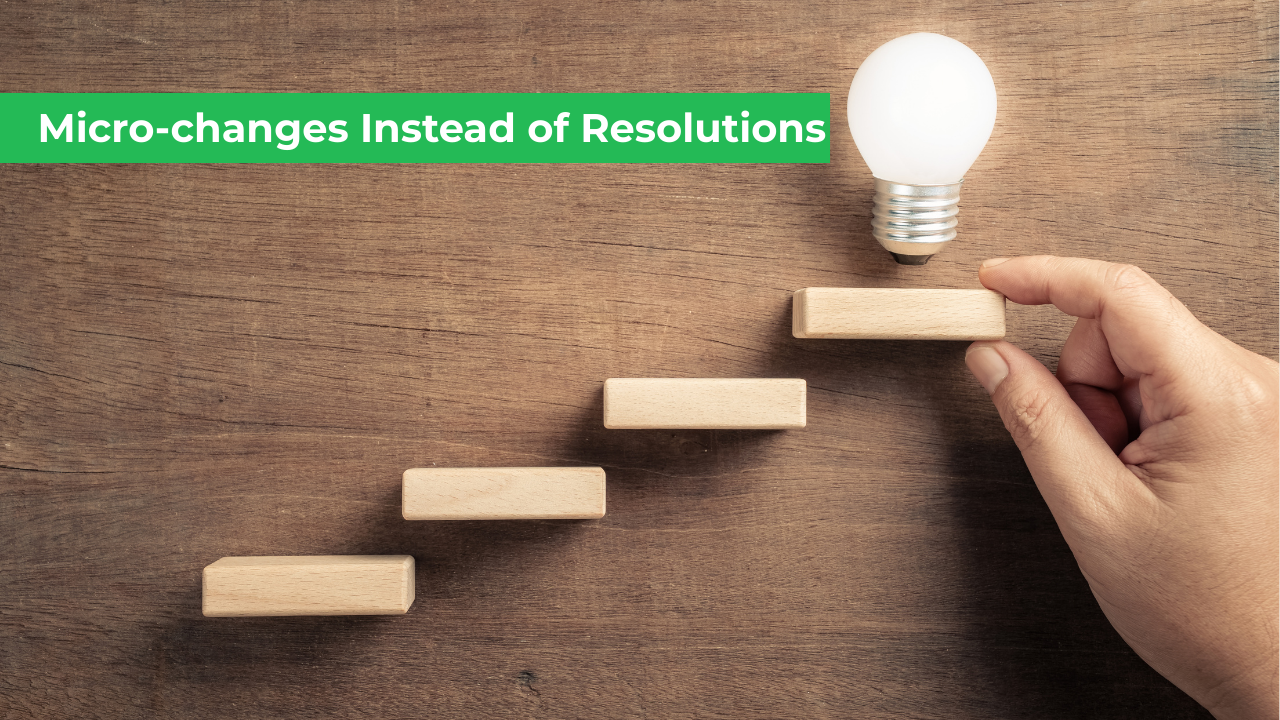
Instead of sweeping resolutions, what actually creates sustainable financial change is micro-changes.
Micro-changes are small, intentional shifts that gently move you forward without triggering overwhelm, resistance, or shame. They work because money is not just practical — it’s deeply emotional, habitual, and tied to identity.
Start With Awareness, Not Judgment
Before changing anything, look back at the last year with curiosity rather than criticism.
What worked?
What quietly improved without you even noticing?
What habits did you naturally let go of?
We often interrogate what went “wrong” but ignore what went right. Yet understanding why something worked tells you just as much about your evolving money identity.
Your relationship with money is not static — it changes as you do. Even subtle shifts in confidence, boundaries, or decision-making signal growth.
Identity Shifts Come Before Financial Shifts
Real change doesn’t happen at spreadsheet level first. It happens at identity level.
When you move from micromanaging every dollar to having a clear, visual overview of your finances, you stop behaving like a stressed worker bee and start thinking like a CEO of your own life.
This shift creates space for better decisions:
-
Paying bills with intention instead of avoidance
-
Optimising cash flow rather than reacting to it
-
Making money decisions based on strategy, not emotion
And once time, clarity, and visibility are no longer your “excuses,” something deeper emerges: your beliefs.
Beliefs, Stories & Language Matter More Than You Think
Ask yourself:
-
Do I believe I’m “bad with money”?
-
Do I avoid looking because I assume it will be painful?
-
Do I tell myself I’m behind, late, or not disciplined enough?
These stories silently shape your habits.
Even the language you use matters. Saying “I’m getting better with money” creates forward momentum. Saying “I’m terrible with money” shuts it down. Your body, energy, and nervous system respond accordingly.
This isn’t about toxic positivity — it’s about choosing language that moves you toward action rather than paralysis.
Habits Are Built in the Micro Moments
Micro-changes look like:
-
Spending 5 minutes checking your money dashboard instead of avoiding it
-
Automating $10 a month into an investment account
-
Blocking out 30 minutes once a week and actually honouring it
-
Paying bills consciously rather than rushing or procrastinating
These actions might feel insignificant, but over time they compound into confidence. Confidence builds momentum. Momentum builds wealth.
Small Actions Create Big Futures
The truth is, you don’t need a perfect plan or a dramatic financial reset.
You need small, consistent steps that reinforce trust in yourself.
Micro-changes don’t just improve your money — they change how you see yourself.
And that identity shift?
That’s where everything starts to move.
