
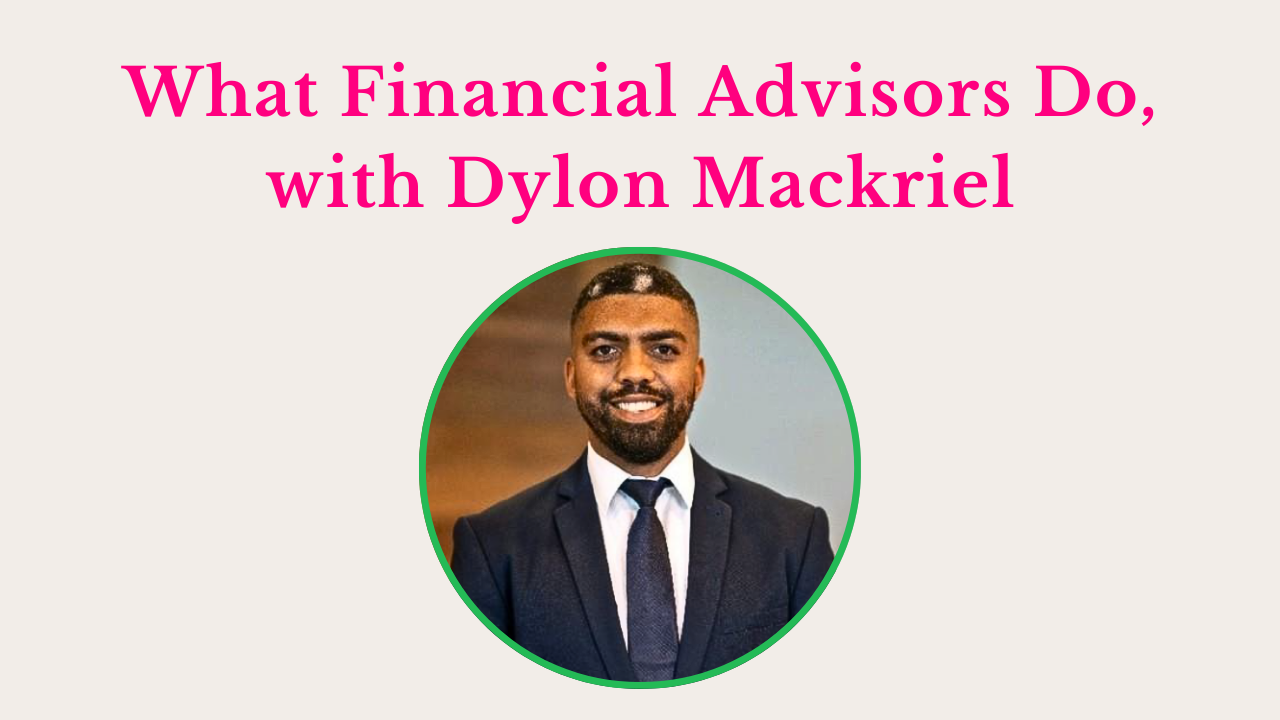
What Financial Advisors Really Do
Dec 24, 2025When most people hear “financial planner,” they imagine someone who only works with wealthy clients, requires $100,000 to get started, charges hidden fees, or pushes investment products. But as Alpha’s conversation with financial advisor Dylon Mackriel reveals, financial planning today is far more holistic.
From South Africa to Australia: A Journey Built on Numbers and Empathy
Dylon didn’t grow up surrounded by wealth. In fact, his early years in South Africa were marked by financial struggle and the realities of living in a community where money was scarce. What he did have was a father who insisted he build strong numeracy skills — long before he understood why they mattered.
This foundation ultimately led him into accounting and, later, into financial planning when he realised he wanted a more people-focused career.
What makes his approach unique is not the numbers — it’s the humanity.
He believes that money is emotional, behavioural, and deeply tied to a person’s life story.
Financial Planning Starts With Cashflow — Not Wealth
One of the biggest misconceptions Dylon challenges is the belief that you need a large sum of money to benefit from advice.
According to him, the moment you earn an income, you can benefit from understanding:
-
Your inflows and outflows
-
Your surplus
-
How to turn that surplus into meaningful progress toward long-term goals
“Everything starts with cashflow,” he shares. “You don’t need $100,000. You need clarity.”
Why Superannuation and Insurance Matter More Than You Think
Superannuation is one of the most powerful wealth-building tools in Australia — yet most people ignore it until their 40s or 50s. By then, the urgency of retirement starts to hit.
Dylon highlights that advisers can often charge fees from your super fund for advice related to superannuation, making financial guidance more accessible than many assume. He also explains why tailored insurance matters, and why default policies inside super often aren’t enough.
SMSFs: Powerful, But Not for Everyone
SMSFs are a hot topic, but Dylon is refreshingly balanced.
They’re beneficial only if:
-
You have at least $500,000 combined
-
You’re comfortable with the responsibilities
-
You want access to investments outside traditional super funds (like property, gold, crypto, or emerging markets)
Otherwise? Stick with industry funds or advised platforms.
Investing: ETFs, Direct Shares, or SMAs?
Dylon breaks down the investing landscape clearly:
-
Direct shares = higher risk, higher concentration
-
ETFs = broad diversification
-
SMAs = diversified, professionally managed portfolios accessible only through advisers
DreamWise uses a core–satellite approach, combining ETFs with active managers to balance stability with opportunity.
The Most Important Part of Advice: Education + Ongoing Support
What stands out most about Dylon is how much he values education.
He doesn’t just present a Statement of Advice and walk away — he explains every step, encourages questions, and ensures clients truly understand their plan.
Life changes fast — promotions, inheritance, accidents, new goals.
Good advice adapts with you. And that ongoing support is something robo-advice simply can’t replace.
The Bottom Line
This conversation is a reminder that financial planning is not only for the wealthy. It’s for anyone who wants to save smarter, invest wisely, protect their family, and feel confident about the future.
And as Dylon says: “Money is emotional. Helping someone reach their goals is the best part of the job.”
